

There are multiple approaches to shoulder arthritis treatment. Orthopaedic doctors typically begin with less intensive options before recommending surgical intervention. This guide explores the reasons behind the decision to refer a patient to orthopaedic surgery for shoulder arthritis.
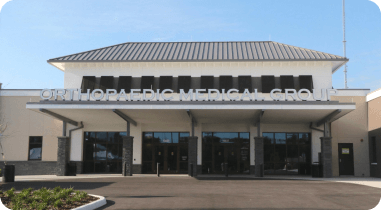
Schedule a consultation with Orthopaedic Medical Group of Tampa Bay to receive a custom treatment plan for shoulder arthritis. We’re trusted in the area for comprehensive shoulder services near you.
Understanding Shoulder Arthritis
Shoulder arthritis most commonly affects the glenohumeral joint, where the humeral head meets the socket of the scapula. Over time, cartilage that cushions the joint wears down, leading to pain, stiffness, swelling, and decreased range of motion. The most common form is osteoarthritis, but inflammatory conditions like rheumatoid arthritis and post-traumatic arthritis can also damage the joint.
Early symptoms may include mild discomfort during activity or stiffness after rest. As arthritis progresses, pain may become constant, interfere with sleep, and significantly restrict shoulder movement.
When Conservative Treatment Is No Longer Enough
Before recommending surgery, orthopedic specialists typically begin with non-surgical treatment options, including:
- Anti-inflammatory medications
- Activity modification
- Physical therapy
- Corticosteroid injections
- Orthobiologic injections such as platelet-rich plasma (PRP)
Many patients experience meaningful relief with these treatments. However, surgical intervention may be appropriate when:
1. Persistent Pain Despite Treatment
If shoulder pain continues for several months despite comprehensive non-surgical care, it may indicate advanced joint degeneration. Pain that disrupts sleep or limits daily activities is a strong indicator that conservative management is no longer sufficient.
2. Severe Loss of Motion
Progressive stiffness and reduced range of motion can make simple tasks—like reaching overhead or behind your back—extremely difficult. When mobility becomes severely restricted and physical therapy fails to restore function, surgery may be considered.
3. Advanced Joint Damage on Imaging
X-rays or advanced imaging may reveal significant cartilage loss, bone spurs, or joint deformity. In advanced cases, the joint surfaces may show “bone-on-bone” contact. When structural damage is extensive, surgical intervention often provides the most predictable long-term relief.
4. Functional Limitations Affecting Quality of Life
If shoulder arthritis prevents you from working, exercising, or enjoying daily activities, and symptoms continue to worsen, surgery may offer the opportunity to restore function and reduce chronic pain.
Surgical Options for Shoulder Arthritis
When surgery becomes necessary, the most common procedure is shoulder replacement (arthroplasty). The appropriate procedure depends on the extent of damage and the condition of the rotator cuff.
Options include:
- Total shoulder replacement
- Reverse shoulder replacement
- Partial shoulder replacement (hemiarthroplasty)
Modern shoulder replacement techniques offer improved implant durability, smaller incisions, and more predictable recovery compared to older approaches. Most patients experience significant pain relief and meaningful improvement in mobility after surgery.
| Need shoulder surgery? Meet our team of surgeons to see who you may be working with when you visit OMG in Tampa Bay. |
Visit Orthopaedic Medical Group of Tampa Bay For Reliable Shoulder Surgery Near You
Contact us today to schedule a consultation for shoulder arthritis surgery near you. Orthopaedic Medical Group of Tampa Bay is the trusted choice in the area for personalized treatment plans and a team of qualified orthopaedic specialists. Call (813) 684-BONE (2663) to learn more about what to expect during your appointment.