
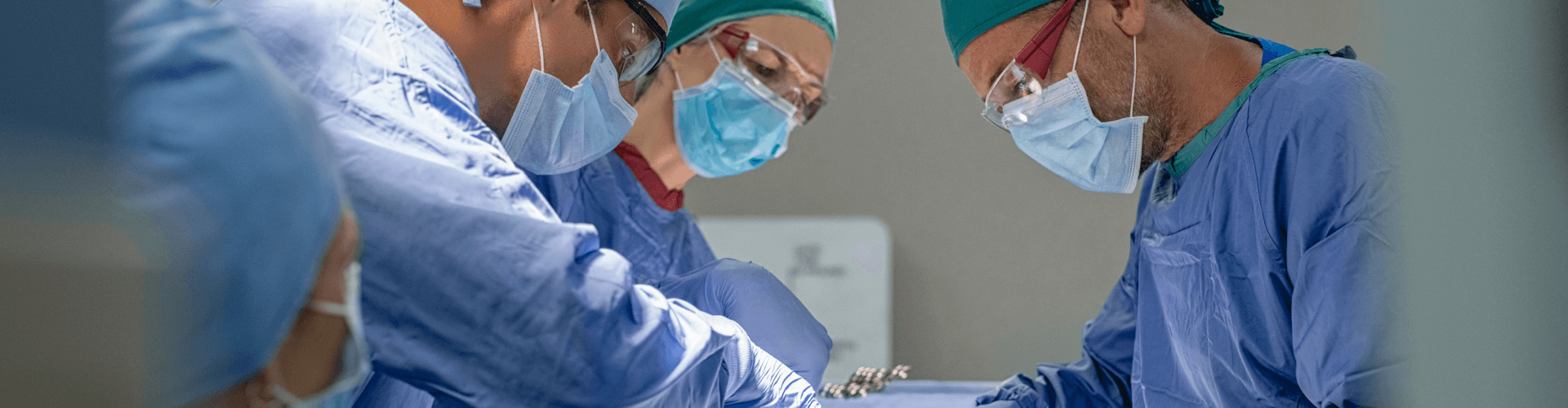
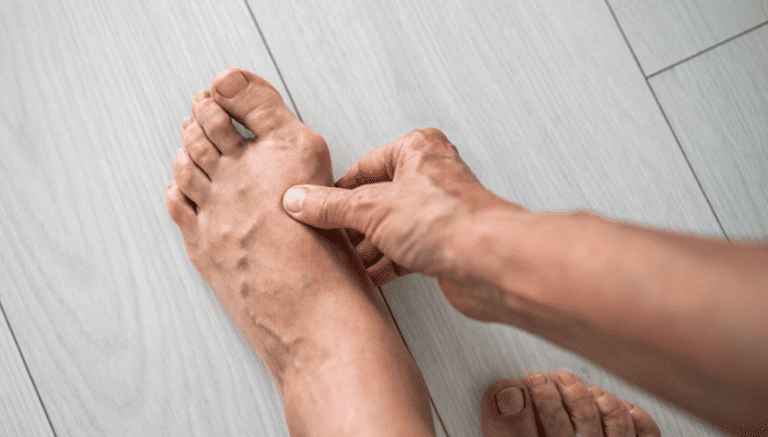
Bunion surgery is common in Tampa for offering long-term pain relief and restored balance. In severe cases, orthopaedic surgery is the only way to fully stabilize the joints for regular activities like standing, walking, and climbing stairs. This guide explains why bunion surgery matters to people in Florida who suffer from extreme pain or experience imbalance due to a deformity.
Orthopaedic Medical Group of Tampa Bay has a team of qualified surgeons that specializes in foot and ankle services like bunion surgery. Schedule a consultation today for a custom treatment plan.
Understanding the Impact of Bunions
As a bunion progresses, it can create persistent discomfort, especially when wearing shoes or standing for long periods. Many patients experience inflammation, stiffness, and pressure that worsens over time. This pain often leads to compensatory walking patterns, where you unconsciously shift weight away from the affected area.
These altered mechanics don’t just affect your foot—they can lead to strain in the ankles, knees, hips, and even the lower back. Over time, this imbalance increases the risk of instability and falls, particularly in older adults or those with active lifestyles.
How Bunion Surgery Relieves Pain
When conservative treatments like wider shoes, orthotics, and activity modification no longer provide relief, bunion surgery may be the best option. The goal of surgery is to realign the bones, correct the deformity, and reduce the prominence of the bunion.
By addressing the root cause of the problem, surgery can:
- Eliminate or significantly reduce chronic foot pain
- Improve joint alignment and function
- Decrease inflammation and pressure on surrounding tissues
Most patients notice a dramatic improvement in their ability to walk and stand comfortably after recovery. This relief alone can be life-changing, especially for those who have been living with daily discomfort.
The Connection Between Foot Alignment and Balance
Your feet serve as the foundation of your body. When that foundation is unstable, your balance and coordination can suffer. Bunions disrupt the natural alignment of the foot, making it harder to distribute weight evenly.
After bunion surgery, proper alignment is restored. This allows for:
- More even weight distribution
- Improved posture and gait mechanics
- Greater stability during walking and standing
For many patients, this translates into better balance and a reduced risk of falls. Whether you’re navigating uneven ground or simply moving through your daily routine, improved stability can make a significant difference.
Returning to an Active Lifestyle
One of the biggest benefits of bunion surgery is the ability to return to activities you may have avoided due to pain. From walking and exercising to wearing a wider variety of shoes, patients often regain a sense of freedom and confidence.
Recovery timelines vary depending on the severity of the bunion and the specific surgical technique used, but most individuals can gradually resume normal activities within a few weeks to months. With proper post-operative care and guidance, long-term outcomes are highly successful.
When to Consider Bunion Surgery
If you’re experiencing persistent pain, difficulty walking, or noticeable changes in your foot alignment, it may be time to consult an orthopedic specialist. Early evaluation can help determine the best course of treatment and prevent further complications.
At Orthopaedic Medical Group of Tampa Bay, our team is dedicated to helping patients move better, feel better, and live pain-free. Bunion surgery isn’t just about correcting a deformity—it’s about restoring balance, improving mobility, and enhancing your overall quality of life.
Schedule a Consultation For Effective Bunion Surgery at Orthopaedic Medical Group of Tampa Bay
Bunion surgery is an effective way to relieve pain and restore balance for those with foot deformities in Tampa. Call Orthopaedic Medical Group of Tampa Bay today at (813) 684-BONE (2663) to schedule a consultation for foot and ankle services near you. We’ll start with a personalized treatment plan for optimal care, leading up to comprehensive post-op rehabilitation.