

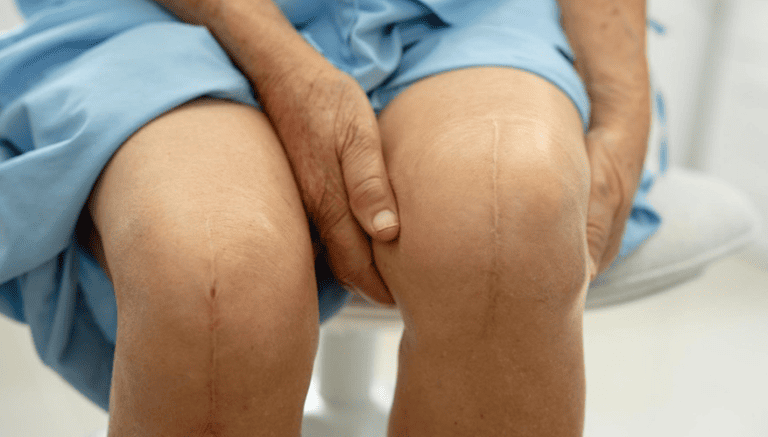
Knee pain can make everyday activities like walking, climbing stairs, and getting out of a chair increasingly difficult. If you have knee arthritis, you may wonder whether you need a knee replacement or if other treatments could provide relief. At Orthopaedic Medical Group of Tampa Bay (OMG Tampa Bay), our orthopedic specialists help patients throughout the Tampa Bay area understand their options and determine when knee replacement surgery may be the right choice.
When Should You Consider Knee Replacement Surgery?
Knee replacement surgery is often recommended for patients with advanced osteoarthritis when damaged cartilage causes persistent pain, stiffness, and reduced mobility. However, the decision to undergo knee replacement depends on your symptoms, imaging results, activity level, and response to nonsurgical treatment, not just your X-rays.
You may want to discuss knee replacement with an orthopedic surgeon if you experience:
- Persistent knee pain that interferes with daily activities
- Difficulty walking, standing, or climbing stairs
- Knee pain that disrupts sleep or occurs at rest
- Stiffness or swelling that limits movement
- Little or no lasting relief from conservative treatments
If knee pain significantly affects your quality of life despite appropriate treatment, knee replacement may offer meaningful improvements in pain and function.
| An orthopaedic doctor in Tampa Bay can diagnose your symptoms and determine if skipping conservative treatment for knee replacement surgery is the best choice. |
What Can You Try Before Knee Replacement Surgery?
Depending on the severity of your arthritis and your overall health, several nonsurgical treatments may help manage knee pain and improve mobility.
Physical therapy: Targeted exercises strengthen the muscles supporting your knee, improve flexibility, and help you move more comfortably.
Learn more about our home exercise programs.
Weight management: For patients carrying excess weight, even modest weight loss can reduce stress on the knee joint and potentially improve symptoms.
Anti-inflammatory medications: Certain medications may help reduce pain and inflammation. Your physician can help determine which options are appropriate for you.
Corticosteroid injections: These injections may provide temporary relief from arthritis-related pain and inflammation, helping some patients remain active.
Bracing and activity modification: A knee brace, low-impact exercise, and adjustments to daily activities may reduce discomfort and improve function.
Regenerative Medicine: Regenerative medicine allows the body to heal by natural means without surgery. Self-derived plasma is injected into the knee joint for faster recovery. Healing cells are capable of restoring deteriorated soft tissue.
When Is Knee Replacement the Better Option?
If conservative treatments no longer provide adequate relief, continuing to avoid surgery may not be the best approach. Advanced knee arthritis can progressively limit mobility, disrupt sleep, and make it harder to maintain an active lifestyle.
Knee replacement involves replacing damaged joint surfaces with artificial components designed to reduce pain and improve function. Many patients experience substantial relief, although recovery takes time and results vary.
There is no single X-ray finding or pain score that automatically means you need surgery. An orthopedic surgeon can evaluate your knee, review your imaging, discuss your goals, and explain the potential benefits and risks of each option.
Learn more > Is Bone-on-Bone Arthritis Always a Reason for Surgery?
Reach Out to Orthopaedic Medical Group of Tampa Bay Today For Personalized Knee Treatment Near You
Call (813) 684-BONE (2663) to book an appointment for physical therapy or Jiffy Knee surgery near you. Orthopaedic Medical Group of Tampa Bay is the preferred choice for comprehensive knee joint treatment in the area.