

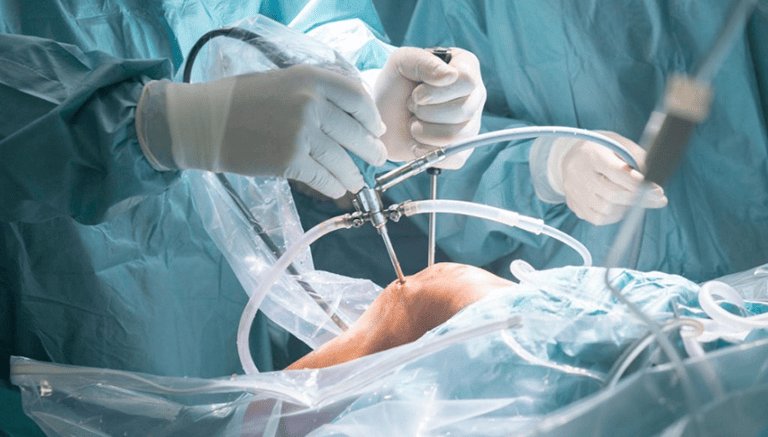
A knee replacement should last quite a long time, but occasionally, things can go wrong with the implant, such as a dislocation, broken parts, or simple wear and tear. Knee revisions are an effective way to address problems with an artificial knee joint in Tampa Bay, especially when seeing an experienced team of orthopaedic surgeons in the area. This guide explores the most common signs of needing knee revision surgery, so you know when to schedule a consultation appointment with Orthopaedic Medical Group of Tampa Bay in Wesley Chapel.
Learn more > Revision Joint Surgery: What Happens When A Previous Replacement Wears Out
What Is Knee Revision Surgery?
Knee revision surgery is a procedure in which part or all of an existing knee implant is removed and replaced with a new one. This is typically recommended when the original implant fails, becomes damaged, or no longer functions properly.
Revision surgery is more complex than a primary knee replacement, making early detection of issues especially important.
Signs You May Need Knee Revision Surgery
Persistent or Worsening Pain
Some discomfort after knee replacement is normal, but pain that continues long after recovery—or worsens over time—is a red flag. Chronic pain may indicate implant loosening, wear, or infection.
Swelling and Stiffness
Ongoing swelling, reduced flexibility, or stiffness that limits your daily activities could suggest inflammation, scar tissue buildup, or mechanical problems within the joint.
Instability or Difficulty Walking
If your knee feels unstable, gives out, or makes it difficult to walk confidently, the implant may no longer be properly aligned or secured.
Decreased Range of Motion
Difficulty bending or straightening your knee compared to your post-surgery baseline may point to implant issues or joint deterioration.
Signs of Infection
Infections can develop even years after knee replacement surgery. Symptoms may include redness, warmth, drainage, fever, or persistent swelling. Infection is a serious condition that often requires revision surgery to fully resolve.
Audible Clicking or Grinding
While some minor sounds can be normal, new or worsening clicking, popping, or grinding sensations could indicate wear or misalignment of the implant components.
Common Reasons for Knee Implant Failure
Understanding why knee replacements fail can help patients recognize when something isn’t right. Common causes include:
- Implant loosening due to wear over time
- Infection in the joint
- Instability from ligament imbalance
- Fractures around the implant
- Wear and tear of implant materials
Each of these issues can compromise the effectiveness of your knee replacement and may require surgical correction.
When to See an Orthopedic Specialist
If you’re experiencing any of the symptoms above, it’s important to consult an orthopedic specialist promptly. Early evaluation can prevent further damage and improve the chances of a successful outcome.
At Orthopaedic Medical Group of Tampa Bay, specialists use advanced imaging and diagnostic tools to determine whether your symptoms are related to implant failure or another issue. Not all knee pain requires revision surgery—sometimes nonsurgical treatments such as physical therapy or injections may be effective.
Experiencing Issues With a Knee Implant? Orthopaedic Medical Group of Tampa Bay Offers Knee Revision Surgery In Wesley Chapel
Orthopaedic Medical Group of Tampa Bay is the trusted place for knee revision surgery in Wesley Chapel. We offer comprehensive knee services to address a wide range of common knee conditions in Florida, followed by optimal post-op care. Contact us today at (813) 684-BONE (2663) to schedule a consultation appointment.