
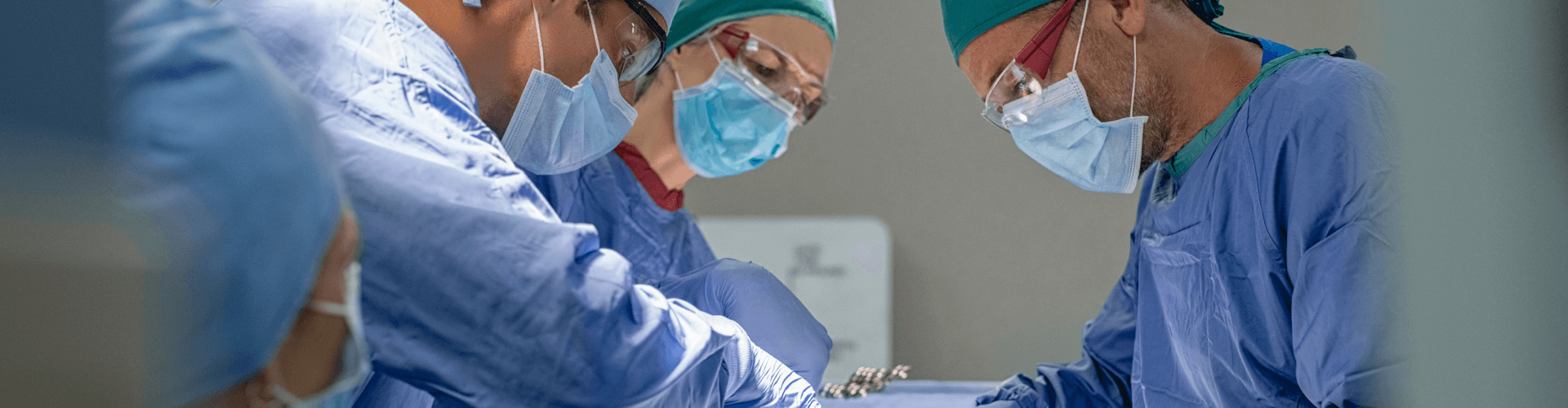

Knee replacement is an intensive surgery typically reserved as a last resort. However, there are instances where joint replacement presents itself as the only viable answer. In this case, extensive wear-and-tear injuries and direct trauma resulting in tears are usually enough cause to warrant knee surgery. Contact Orthopaedic Medical Group of Tampa Bay today for a consultation on knee replacement surgery near you.
Learn more > Who Is A Candidate For Surgery & What Are The Risks Associated With Joint Replacement?
Osteoarthritis (Degenerative Joint Disease)
The number one cause of knee replacements is osteoarthritis, a degenerative condition where the protective cartilage inside the knee gradually wears away.
Over time, bone begins rubbing against bone, causing:
- Chronic pain
- Stiffness
- Swelling
- Loss of mobility
- Catching or grinding sensations
Osteoarthritis is influenced by aging, genetics, repetitive stress, sports injuries, and previous trauma. When the cartilage is significantly worn down and symptoms no longer respond to injections, physical therapy, or medications, a knee replacement is often recommended.
Rheumatoid Arthritis and Other Inflammatory Diseases
Unlike osteoarthritis, which is caused by wear and tear, rheumatoid arthritis (RA) is an autoimmune condition that attacks the lining of the joints. This leads to:
- Persistent inflammation
- Erosion of cartilage
- Bone deformity
- Joint instability
RA often affects both knees and can progress rapidly if not treated early. Other inflammatory conditions such as psoriatic arthritis, lupus, and gout can also damage joint surfaces and eventually require surgical intervention.
Post-Traumatic Arthritis
A previous knee injury can set the stage for long-term joint degeneration. This is known as post-traumatic arthritis, and it can develop years, even decades, after the initial injury. Common causes include:
- Torn ACL or meniscus
- Patellar fractures
- Tibial plateau fractures
- Severe sprains or ligament tears
Injuries can alter the mechanics of the knee, increase joint instability, and accelerate cartilage breakdown. Patients who had significant sports injuries earlier in life often face knee arthritis in their 40s, 50s, or 60s.
Repetitive Stress or Occupational Overuse
Jobs or activities that place constant stress on the knee can lead to premature wear and joint degeneration. High-risk scenarios include:
- Frequent kneeling or squatting
- Heavy lifting
- Climbing and manual labor
- High-impact exercise or running on hard surfaces
Even without a single major injury, years of repetitive strain can cause cartilage breakdown and chronic inflammation, ultimately leading some patients to need knee replacement.
Obesity and Excess Body Weight
Carrying excess body weight significantly increases the load placed on your knee, often equivalent to 4–6 pounds of pressure per extra pound of weight gained. Over time, this accelerates cartilage wear and contributes to painful arthritis. While weight loss can reduce symptoms and slow progression, advanced joint deterioration may still require surgical replacement.
When to Consider a Knee Replacement
You may be a candidate for knee replacement if you experience:
- Pain that limits walking or daily activities
- Difficulty sleeping due to knee pain
- Failed relief from injections, medications, or physical therapy
- Severe arthritis confirmed on imaging
- Knee deformity or instability
Receive Comprehensive Knee Treatment at Orthopaedic Medical Group of Tampa Bay
At Orthopaedic Medical Group of Tampa Bay, we proudly offer treatment options for knee and hip arthritis and other joint conditions with treatment options including knee replacement surgery. Contact us today at (813) 684-BONE (2663) to schedule a consultation appointment and to ask about filing for FMLA or workers’ comp.