
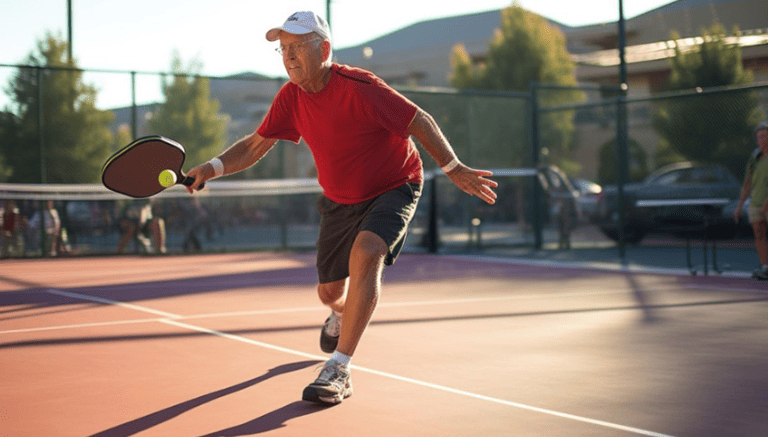
Pickleball has become one of the most popular recreational sports in Tampa Bay, particularly among adults over 50. Its smaller court and slower pace compared with tennis can make it seem relatively low-impact. However, pickleball still requires quick lateral movements, sudden stops, repetitive swinging and frequent changes in direction. For older adults, those movements can expose underlying orthopedic problems or lead to injuries that are easy to underestimate.
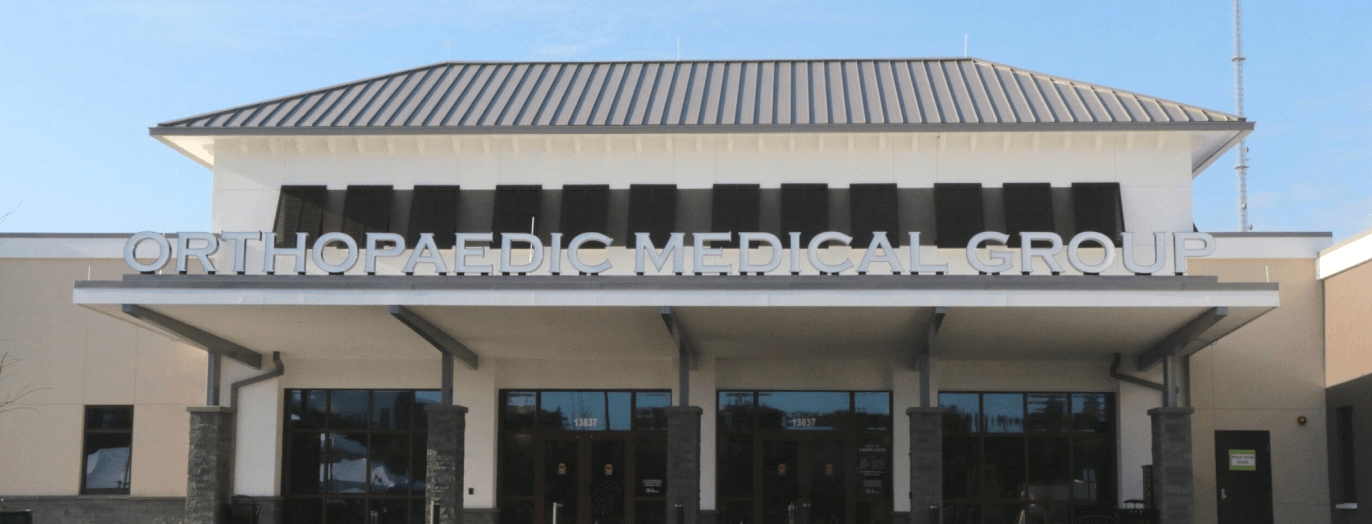
Learn more about the hidden orthopaedic risks of pickleball injuries in seniors and schedule a consultation with Orthopaedic Medical Group of Tampa Bay.
1. Existing Joint Arthritis Can Increase Injury Risk
Knee, hip and shoulder arthritis are common as we age. The repetitive movement involved in pickleball can aggravate already damaged cartilage and inflamed joints. Pain may initially seem like normal soreness, but persistent swelling, stiffness or discomfort could indicate an underlying orthopedic condition that needs evaluation.
2. Tendon Injuries May Develop Gradually
Pickleball involves repetitive gripping, serving and swinging, which can place significant stress on the shoulder, elbow and wrist. Rotator cuff irritation, tennis elbow and other tendon injuries may develop gradually rather than from one obvious incident.
Ignoring early symptoms and continuing to play can allow a relatively manageable problem to become more difficult to treat.
Read more > What Happens If You Delay Rotator Cuff Surgery?
3. Balance Problems Can Lead to Falls
Quickly moving backward or sideways across the court can challenge balance, particularly for adults over 50. A misstep can result in a fall and potentially cause a wrist fracture, shoulder injury, hip injury or other orthopedic trauma.
Players with existing balance concerns should be especially cautious when changing direction or reaching for shots.
4. Osteoporosis Can Make Falls More Serious
Bone density can decrease with age, increasing the risk of fractures from relatively minor falls. A fall during pickleball that might cause bruising in a younger player could result in a significant fracture for someone with reduced bone strength.
This makes appropriate conditioning, footwear and awareness of personal limitations especially important for older pickleball players in Tampa Bay.
5. “Playing Through Pain” Can Turn a Minor Injury Into a Major One
One of the biggest hidden risks isn’t the sport itself, it’s ignoring symptoms. Tampa Bay adults may assume soreness is simply part of getting older or becoming more active. Continuing to play through persistent pain, however, can worsen certain orthopedic injuries.
Pain that continues after rest, swelling, weakness, reduced range of motion or difficulty performing everyday activities deserves attention from an orthopedic specialist.
| We offer foot and ankle, hand and wrist, and shoulder treatment for pickleball injuries. |
Staying Active While Reducing Your Risk
Pickleball can be an excellent way for adults over 50 to stay active, socialize and maintain strength and mobility. Before playing, consider warming up with dynamic movements, wearing supportive court shoes and gradually increasing your activity level.
Most importantly, listen to your body. If you develop persistent knee, hip, shoulder, elbow, wrist or ankle pain, an orthopedic evaluation can help identify the underlying problem and determine the appropriate treatment.
Learn more > The Link Between Ankle Health and Athletic Longevity
Experience the Freedom of Pickleball In Your Senior Years With Expert Care at Orthopaedic Medical Group of Tampa Bay
At Orthopaedic Medical Group of Tampa Bay, We encourage active lifestyles for adults over 50. Let us help you enjoy recreational sports like pickleball while under the guidance of compassionate orthopaedic care. Call (813) 684-BONE (2663) today to schedule a consultation for a custom treatment plan.
| We accept Medicare. Contact your nearest location for more information. |