

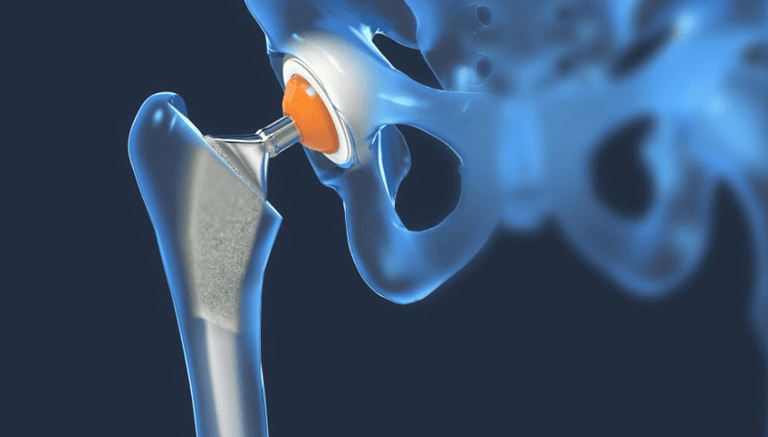
The effects of joint implants, particularly in the hips, have been studied for years. In that time, the orthopaedic industry has seen countless developments in an effort to continue moving forward with quality improvements and better results. This can be seen in the evolution of hip implants over the years. This guide compares the older designs of hip implants with modern versions to emphasize the reality of enhanced care in this critical area of orthopaedics.
For reliable hip replacements using modern technology and materials, schedule a consultation appointment with Orthopaedic Medical Group of Tampa Bay.
Older Hip Implants: Effective but Limited
Earlier generations of hip implants were primarily metal-on-polyethylene (plastic) designs. While they helped relieve pain and restore mobility, they had certain limitations:
- Higher wear rates of polyethylene liners
- Greater risk of implant loosening over time
- Smaller femoral head sizes, increasing dislocation risk
- More invasive surgical approaches
- Longer hospital stays and recovery times
Some metal-on-metal implants were also introduced in the past, but these designs were associated with concerns about metal ion release and soft tissue reactions in certain patients. As a result, their use has significantly declined.
While many patients did well with older implants, advances in materials and surgical technique have greatly improved modern outcomes.
Modern Hip Implants: Designed for Durability and Performance
Today’s hip implants are engineered to last longer, function more naturally, and reduce complications.
1. Longer-Lasting Materials
Modern hip replacements use highly cross-linked polyethylene, advanced ceramic components, and improved metal alloys. These materials significantly reduce friction and wear inside the joint.
In the past, implants often lasted 10–15 years. Today, many modern hip replacements can last 20 years or more, with some studies showing excellent durability even beyond that timeframe. This is especially important for younger or more active patients in the Tampa Bay area.
2. Better Bone Integration
One major advancement is the use of porous implant surfaces. Many modern femoral stems and acetabular cups are designed to allow bone to grow into the implant — a process known as biologic fixation.
This improved bone integration helps:
- Reduce micromotion
- Improve long-term stability
- Lower the risk of loosening
By anchoring securely to the surrounding bone, modern implants are designed to remain stable for decades.
3. Safer, Biocompatible Materials
Modern implants prioritize biocompatibility. Ceramic-on-polyethylene and ceramic-on-ceramic combinations reduce wear and minimize the risk of inflammatory reactions.
While metal components are still commonly used in certain parts of the implant, current designs avoid many of the concerns previously associated with older metal-on-metal systems. At Orthopaedic Medical Group of Tampa Bay, we review implant options with each patient so they fully understand the materials being used in their hip replacement surgery.
4. Lower Risk of Dislocation
Advancements in implant design have improved joint stability. Larger femoral head sizes and enhanced acetabular components increase range of motion before impingement occurs.
Dual mobility implants are also available for select patients at higher risk of instability. These designs provide an additional articulation that can further reduce the risk of dislocation while maintaining mobility.
Read more > Will A Hip Replacement Last Forever? What The Research Says
Robotics and Precision in Modern Hip Replacement
Another major advancement in modern hip replacement is robotic-assisted surgery. At Orthopaedic Medical Group of Tampa Bay, we utilize the Mako Robotic-Arm Assisted Surgery System to enhance precision during surgery.
Robotic technology allows for:
- Detailed preoperative planning using advanced imaging
- Real-time feedback during implant placement
- Accurate restoration of leg length and joint alignment
- Improved component positioning for long-term durability
Proper implant positioning plays a critical role in reducing wear, preventing dislocation, and improving overall function.
Learn more > What Are The Biggest Don’ts After A Hip Replacement?
Faster Recovery and Modern Surgical Techniques
Modern hip replacement techniques often use muscle-sparing approaches and enhanced recovery protocols. Compared to older surgical methods, patients today may experience:
- Smaller incisions
- Less postoperative pain
- Shorter hospital stays — majority outpatient surgery
- Faster return to normal daily activities
While regenerative medicine is not a substitute for hip replacement in advanced arthritis, biologic optimization and improved perioperative care can support overall recovery.
Learn more > How You Can Combine Orthopedic Surgery With Regenerative Medicine For Better Outcomes
Schedule a Consultation For Modern Hip Replacement at Orthopaedic Medical Group of Tampa Bay
Experience the benefits of a modern hip implant. Call Orthopaedic Medical Group of Tampa Bay today at (813) 684-BONE (2663) to schedule a consultation for reliable hip replacement surgery near you, or visit our joint replacement portal online for more information.