

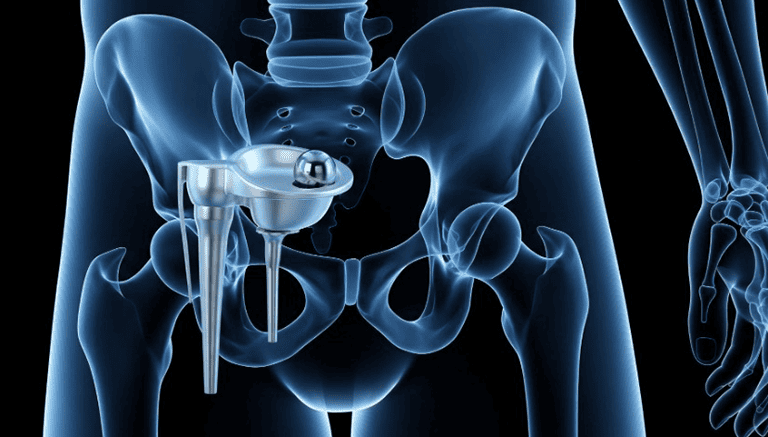
In Florida, modern joint implants present greater benefits compared to older designs. Even still, proper care is needed to ensure that your new artificial joints last as long as possible. This guide will show you every effective method for ensuring the best possible outcome for joint replacements and years of quality living.
Learn valuable insights with expert tips from our talented team of surgeons and schedule a consultation with Orthopaedic Medical Group of Tampa Bay, serving Wesley Chapel.
1. Stay at a Reasonable Weight
Maintaining a healthy weight is one of the best ways to protect your hip or knee replacement for the long term. Excess body weight places additional stress on weight-bearing joints, increasing wear on your joint implant over time and potentially leading to premature failure. By keeping your weight within a healthy range, you can reduce the risk of needing a joint revision surgery and help your replacement last as long as possible. An experienced orthopaedic doctor in Wesley Chapel can evaluate your overall health, discuss an ideal weight goal, and recommend strategies to support the long-term success of your joint replacement.
Learn more > Maintaining Your New Knee: Our Surgeons’ Lifestyle Tips After Surgery
2. Build Supporting Muscle Mass
Strong muscles help protect and stabilize your new joint, reducing stress on the implant during everyday activities. After joint replacement surgery, building strength in the surrounding muscles can improve mobility, balance, and overall function while helping extend the life of your implant. Depending on the procedure, orthopaedic surgeons in Wesley Chapel may recommend strengthening the quadriceps after knee replacement surgery, the gluteal muscles after hip replacement, or the rotator cuff following shoulder replacement surgery. Following a personalized rehabilitation and strengthening program can help you recover more effectively and reduce the likelihood of future complications or revision surgery.
3. Switch to Low-Impact, Joint-Friendly Activities
Staying active is essential after joint replacement surgery, but choosing the right activities can help protect your implant for years to come. High-impact exercises such as running, jumping, or contact sports place greater stress on artificial joints and may contribute to premature wear over time. Instead, orthopaedic specialists in Wesley Chapel often recommend low-impact activities like walking, swimming, cycling, and using an elliptical machine. These exercises improve cardiovascular health, maintain joint mobility, and strengthen supporting muscles while placing less strain on your hip, knee, or shoulder replacement, helping maximize the lifespan of your joint implant.
| High-Impact Activities | Low-Impact Activities |
| ● Jumping
● Running ● Jogging ● Heavy Lifting |
● Walking
● Cycling ● Swimming ● Elliptical training |
4. Avoid Strange Movements and Positions
Although today’s joint replacement implants are designed to be durable, certain movements and high-risk activities can increase the chance of dislocation, implant damage, or premature wear. During your recovery, and even years after surgery, it’s important to follow your surgeon’s recommendations regarding movement restrictions. For example, some patients recovering from hip replacement surgery may be advised to avoid crossing their legs or bending beyond certain angles, while those with a knee replacement should be cautious with activities that involve sudden twisting, pivoting, or high-impact contact. Even everyday tasks such as climbing stairs or lifting heavy objects should be performed with proper technique. An experienced orthopaedic surgeon in Wesley Chapel can provide personalized guidance to help you protect your implant, reduce the risk of complications, and maximize the lifespan of your joint replacement.
5. Continue Follow-Up Appointments and Physical Therapy
Orthopaedic surgeons in Wesley Chapel will schedule follow-up appointments to ensure that the new implant is adapting appropriately. Neglecting these necessary check-ups increases the risk of overlooking potential problems that are best fixed with early intervention.
Physical therapy is a requirement after joint replacement surgery to ensure that the implant is integrating with the body under healthy conditions.
Learn more about the additional post-op instructions that we provide at Orthopaedic Medical Group of Tampa Bay in Wesley Chapel.
6. Be Proactive With Infections
Although not as common an occurrence, it is entirely possible to experience an infection after receiving a joint implant. It is crucial to be on the lookout for these symptoms and to seek care from an orthopaedic doctor in Wesley Chapel as soon as possible:
- Inflammation
- Severe stiffness
- Persistent pain
- Pus or foul smells
- Feverlike symptoms
| Can I Smoke After a Joint Replacement?
It is highly advised to avoid smoking while recovering from joint replacement surgery. Nicotine can restrict blood flow and hinder the process of osseointegration. |
Experience Lasting Comfort and Quality of Life With Comprehensive Joint Replacement Services at Orthopaedic Medical Group of Tampa Bay In Wesley Chapel
Visit our joint replacement portal online before calling Orthopaedic Medical Group of Tampa Bay at (813) 684-BONE (2663) to schedule your consultation appointment in Wesley Chapel. We specialize in advanced joint replacement surgery followed by effective post-op care for long-lasting implants.