

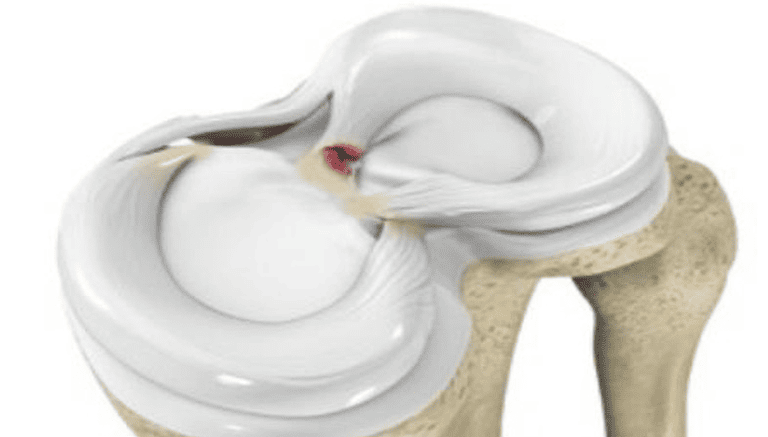
Knee pain is often associated with common injuries such as arthritis, ligament tears, or a traditional meniscus tear. However, a meniscus root tear is another important knee injury that can sometimes be overlooked. At Orthopaedic Medical Group of Tampa Bay, our Tampa orthopedic specialists frequently evaluate patients with persistent knee pain and help identify injuries that may not be obvious at first.
What Is a Meniscus Root Tear?
The menisci are two crescent-shaped pieces of cartilage located between the thighbone and shinbone. They act as shock absorbers, help distribute weight across the knee, and contribute to overall joint stability.
A meniscus root is the area where the meniscus attaches firmly to the bone. When this attachment tears, the meniscus can no longer function normally. In some cases, a root tear can effectively compromise the meniscus’s ability to distribute pressure through the knee.
Meniscus root tears can occur because of a sudden injury, but they are also commonly associated with age-related changes in the meniscus. They are particularly important to recognize because untreated root tears may contribute to increased stress on the cartilage and progression of knee arthritis.
Why Are Meniscus Root Tears Commonly Missed?
One reason meniscus root tears can be difficult to diagnose is that their symptoms may resemble other common knee problems. Patients may experience knee pain, swelling, stiffness, clicking, or difficulty with activities such as squatting, walking, or climbing stairs.
Some meniscus root tears also occur without a memorable traumatic event. A patient may simply notice increasing knee pain and assume it is arthritis or a routine meniscus problem.
A thorough physical examination, review of symptoms, and appropriate imaging are important for making an accurate diagnosis. MRI of the knee is particularly useful when a meniscus root tear is suspected because it allows physicians to evaluate the meniscus and surrounding structures in greater detail.
| Standard MRI scans sometimes fail to pick up on images of small radial tears that would indicate early signs of a meniscus root tear. |
Learn more about the types of meniscus tears on our website.
How Are Meniscus Root Tears Treated?
Treatment depends on several factors, including the patient’s age, activity level, overall knee health, the type of tear, and whether arthritis is already present. Some patients may benefit from non-surgical treatment, including activity modification, physical therapy, anti-inflammatory medications, or injections when appropriate.
For certain patients, particularly those with an acute or repairable root tear and limited arthritis, meniscus root repair surgery may be recommended. The goal is to restore the meniscus attachment and preserve as much of its normal function as possible.
When significant arthritis or other knee damage is present, a different treatment approach may be necessary. Your orthopedic specialist can evaluate the condition of your knee and recommend the most appropriate option.
There are multiple ways to approach severe meniscus injuries. Read our guide, “Jiffy Knee vs Non-Surgical Treatments: When Is Surgery the Better Option?” to consider your best options for knee surgery in Tampa Bay.
We Treat Meniscus Root Tears With Custom Treatment at Orthopaedic Medical Group of Tampa Bay
Call Orthopaedic Medical Group of Tampa Bay today at (813) 684-BONE (2663) to schedule a consultation for personalized meniscus root tear treatment near you. Our trusted team of orthopaedic professionals specializes in comprehensive knee services and guided post-op recovery.